
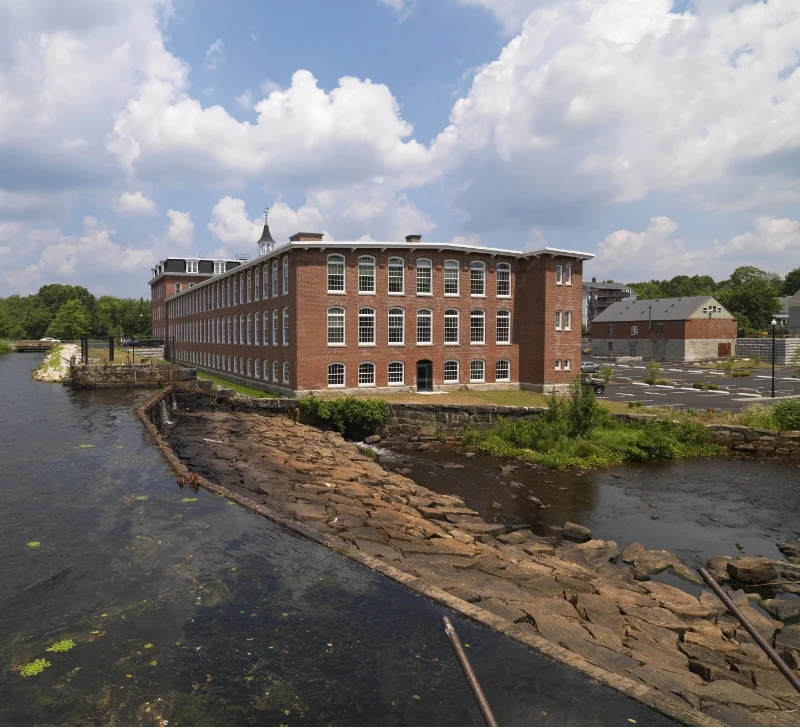
Unlocking Value in the Historic Built Environment: Turning Environmental Liabilities into Opportunities
May 19th, 2026



How disciplined underwriting, environmental due diligence, and cross-disciplinary expertise transform New England's legacy properties into high-performing modern assets.
Walk through almost any historic city or town in New England and you will find them: the older commercial buildings, institutional structures, and industrial properties that once anchored local economies and communities. For decades, these buildings formed the backbone of the region. Today, many of them represent one of the most significant and complex opportunities in the modern real estate landscape.
To the untrained eye, these legacy properties can look like a regulatory and financial challenge. They carry the weight of prior uses, often introducing environmental liabilities, deferred maintenance, and infrastructure that no longer meets modern standards. Many developers look at these challenges and walk away.
But in a region where prime, unencumbered land is increasingly scarce and tightly regulated, the future of growth often lies in the past. With the right framework, historic adaptive reuse and brownfield redevelopment are not just viable strategies. They are premier paths to unlocking real estate value while revitalizing local communities.
De-risking the Brownfield: The Power of Targeted Due Diligence
The primary barrier to brownfield redevelopment is the fear of the unknown. Environmental liabilities can quickly derail a financial model if they are discovered after capital is committed. Subsurface contamination, structural hazardous materials like asbestos or lead paint, and historical industrial run-off require a highly specialized approach to risk mitigation.
The solution is not to avoid these sites, but to strip away the ambiguity through rigorous, early-stage environmental site assessments. A standard Phase I ESA identifies potential environmental conditions, but a truly thorough feasibility process pushes deeper. By executing targeted Phase II testing and comprehensive remedial action planning upfront, developers can accurately quantify clean-up costs and integrate them directly into initial land valuation negotiations.
When environmental liability is accurately quantified, it ceases to be an existential threat to the project. Instead, it becomes a known, manageable variable within the construction budget.
Navigating the Incentive Landscape: Credits, Subsidies, and Programs
What transforms a complex historic renovation or brownfield site from a marginal deal into a viable investment is the sophisticated layering of public and private incentives. Both state and federal entities recognize the societal and economic value of returning these underutilized or contaminated sites to productive use, and they offer powerful mechanisms to offset development costs.
In Massachusetts, developers can leverage a robust suite of tools including State and Federal Historic Rehabilitation Tax Credits and Brownfield Tax Credits. The Massachusetts Historic Rehabilitation Tax Credit program currently makes $110 million available annually for certified rehabilitation projects on income-producing historic properties. The Massachusetts Brownfields Tax Credit, administered by the Massachusetts Department of Revenue and extended through 2029, can offset up to 50% of eligible remediation costs for qualifying properties in economically distressed areas. MassDevelopment and MassDEP also offer additional financing tools and structured pathways to regulatory closure.
In Connecticut, DECD administers brownfield remediation funding programs, and the regulatory landscape has recently changed in a meaningful way for developers. As of March 1, 2026, Connecticut's long-standing Transfer Act was replaced by a new Release-Based Cleanup program — a streamlined framework that ties remediation requirements to pollution releases rather than real estate transactions. This change makes brownfield redevelopment in Connecticut significantly more predictable and is one of the most developer-friendly regulatory shifts the state has seen in decades.
Navigating this capital stack, however, requires deep institutional knowledge. Securing these credits and maintaining compliance throughout the construction lifecycle requires strict coordination between legal counsel, environmental engineers, and financial modelers.
The Architecture of Adaptive Reuse
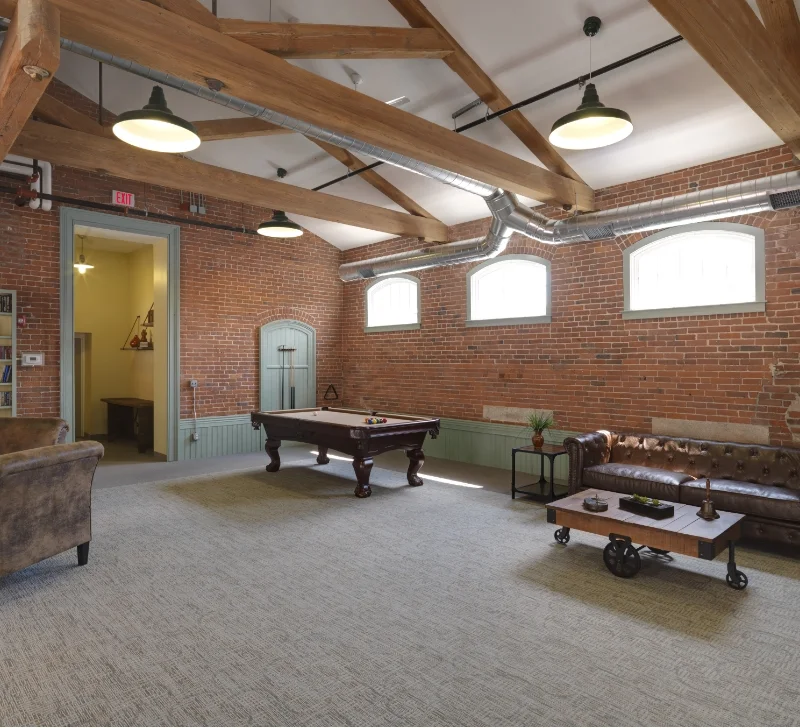
Beyond the environmental and regulatory considerations, older buildings across New England often possess distinct characteristics that cannot be replicated in new construction. Depending on the building type — whether a former school, an institutional facility, a commercial block, or an older industrial property — the existing structure may offer scale, character, or location advantages that carry real market value.
Marrying historic preservation with modern building codes, however, requires exceptional cross-disciplinary coordination. Upgrading mechanical, electrical, and plumbing infrastructure, achieving energy efficiency, and meeting ADA compliance within an older footprint demands close collaboration between construction managers, architects, and historic consultants from day one. The goal is to preserve the character that drives market demand while delivering a structurally sound, operationally efficient asset that performs well over the long term.
A Grounded Approach to New England's Legacy Properties
At O'Connell Development Group, our deep New England roots give us a unique perspective on the historic built environment. Based in Holyoke and working throughout Western Massachusetts and beyond, we have spent decades working on some of the region's most complex legacy properties — from environmental remediation and demolition projects in Springfield to institutional adaptive reuse, multi-family housing, and commercial redevelopment across the Pioneer Valley and Connecticut.
We don't view brownfields or historic properties as liabilities to be avoided. We view them as opportunities to deploy our full, cross-disciplinary capability. Because our work spans development, construction oversight, and long-term asset management, we evaluate legacy sites through the lens of long-term owners. We know how to price the remediation, navigate the regulatory frameworks, maximize the available incentive stack, and build for operational longevity.
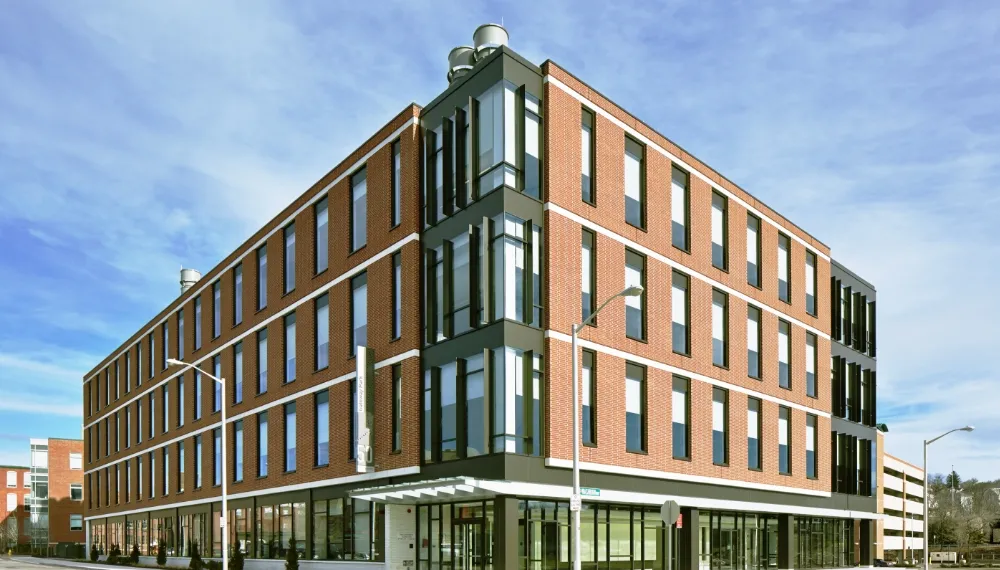
The result is a transformed property that honors the region's history while delivering sustainable returns for years to come.
Evaluating a historic or underutilized asset in Western Massachusetts or Connecticut? Contact O'Connell Development Group to learn how our integrated team can help you move from complexity to clarity.
Thinking Through a Project in Western Massachusetts?
If you're weighing a development opportunity and want a grounded, experienced read on what it will actually take to move it forward, we'd welcome the conversation. No obligation — just a direct discussion about your project and whether we're the right fit.


