
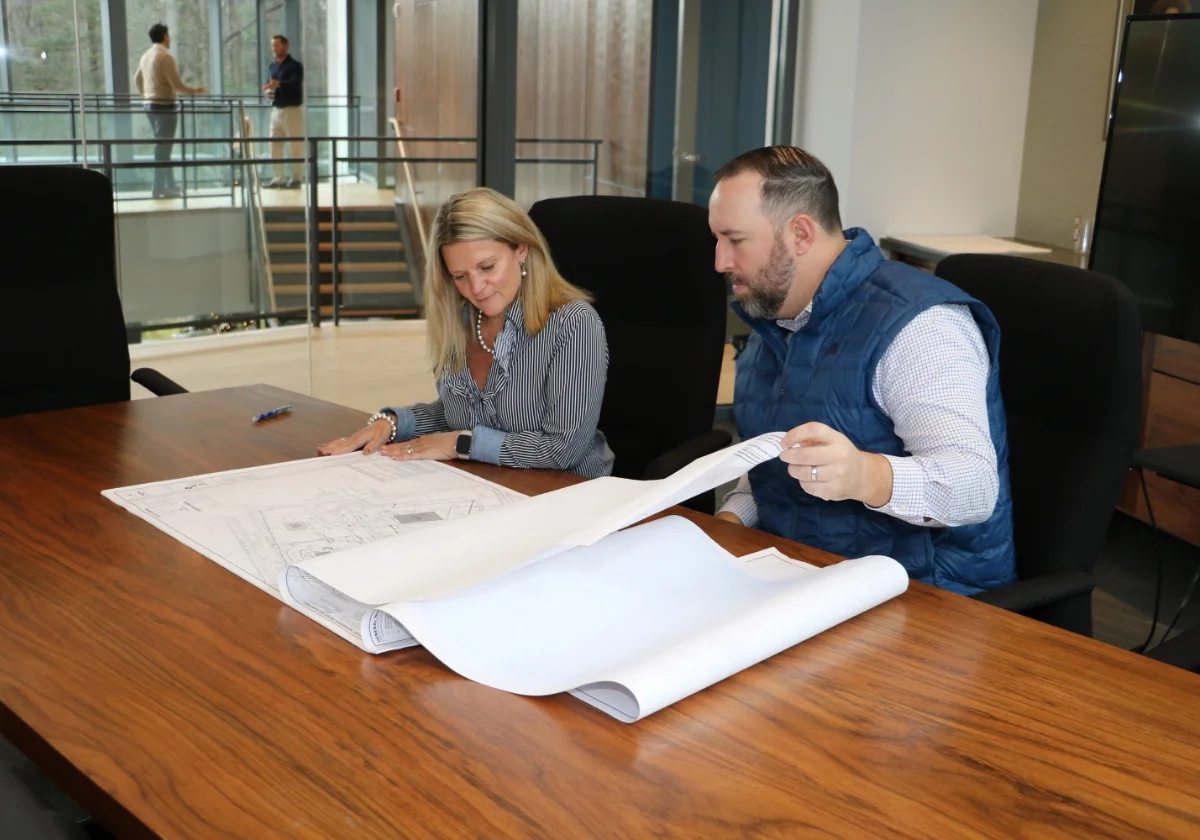
Why Project Feasibility Is the Most Important Investment You'll Make
May 19th, 2026



What a feasibility study actually is, what happens when you skip one, and what to expect from a rigorous process
When a real estate project runs into serious trouble, the cause is almost never a surprise in hindsight. A site that turned out to be more complicated than it looked. A permitting process that took twice as long as expected. A financial model built on assumptions nobody had actually tested. These aren't unforeseeable problems — they're exactly the kind of problems a project feasibility study is designed to catch.
The question isn't whether something can go wrong. It always can. The question is whether you find out before you're committed or after.
What a Feasibility Study Actually Is
A project feasibility study is a structured analysis of whether a proposed development makes sense before significant capital is committed. Done well, it examines market demand, financial projections, zoning and regulatory requirements, site conditions, and the risk factors specific to the project and location — and it looks at how all of those things interact with each other.
The goal isn't just to confirm that a project is viable. It's to surface the things that could go wrong early enough to do something about them. That might mean adjusting the scope, rethinking the site, restructuring the financing, or in some cases deciding not to move forward at all.
Walking away from a bad project before you've spent serious money isn't a failure — it's the system working exactly as it should. A good feasibility study makes that call possible.

What Gets Missed Without One
Skipping or rushing through feasibility doesn't guarantee a project fails. But it does mean you're likely to encounter problems that could have been anticipated — and managed — at a fraction of the cost. Here's where they tend to show up.
Land Valuation
A site's value depends on what it can realistically support. Zoning restrictions, environmental conditions, infrastructure constraints, and market realities all shape what's actually buildable — and therefore what a parcel is worth. Understanding those factors before you negotiate a purchase price puts you in a fundamentally different position than discovering them after closing.
Permitting Timelines
In Western Massachusetts, permitting is not a uniform process. What moves efficiently in one municipality can take considerably longer in another, depending on local zoning bylaws, conservation commission requirements, board schedules, and community dynamics. Knowing what you're walking into before you file your first application lets you plan realistically — and avoid the costly surprises that catch underprepared developers off guard.
Financing Readiness
Lenders and equity partners want to see that the numbers hold up under scrutiny. A project that has been through a rigorous feasibility process can demonstrate that clearly. One that hasn't tends to struggle during underwriting — or closes on terms that create pressure later in the project when you have the least room to maneuver.
Scope and Budget Stability
When a project's parameters haven't been thoroughly analyzed upfront, the scope tends to shift as reality sets in. Each adjustment costs something. Cumulatively, those adjustments can erode returns in ways that would have been preventable with better early-stage planning.
Carrying Costs
Every month a project sits in limbo — whether due to a permitting delay, a financing gap, or a design that needs to be reworked — carries a real and compounding cost. Loan interest accrues. Taxes come due. Opportunities close. A feasibility study that costs a fraction of one month's carrying costs can help you avoid many months of them.
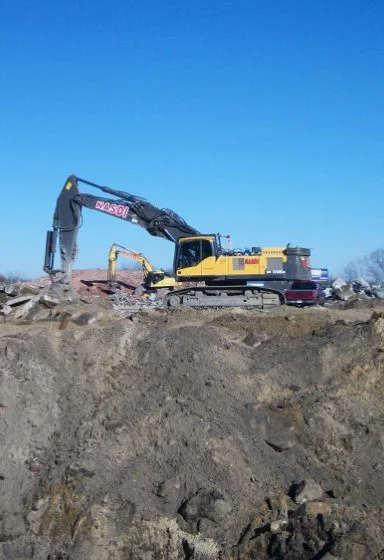
Western Massachusetts has genuine development opportunity. But the region rewards those who understand it well — and exposes those who assume it works like everywhere else.
What a Thorough Feasibility Study Covers
The specifics vary by project type and location, but a rigorous feasibility study in this region should address four interconnected areas:
- Market Analysis — Is there genuine, documented demand for what you're proposing? Who are the likely tenants, buyers, or users, and what will they actually pay? What does the competitive landscape look like now, and where is it heading over the life of the project?
- Financial Modeling — Do the projected revenues support the full cost stack — land, construction, financing, operations, and contingency? What does the return look like under different assumptions? How sensitive is the deal to changes in cost or revenue, and where are the breaking points?
- Site and Regulatory Assessment — What does current zoning allow, and what will it take to get the approvals you need? Are there environmental conditions that require remediation or create liability? What are the infrastructure requirements, and what will they actually cost to address?
- Risk Identification — Where are the real vulnerabilities in this project? Which risks are manageable with the right planning, and which ones are potential deal-breakers? What does the contingency plan look like if key assumptions don't hold?
The value of this work isn't just the report at the end. It's the discipline of working through hard questions before you're too committed to change course.
When to Start
The right time to commission a feasibility study is before you're under contract on a site, if at all possible. At minimum, before you close. Certainly before you've invested meaningfully in design or permitting — because those costs become sunk, and sunk costs make it harder to make clear-eyed decisions.
We regularly work with clients who come to us after purchasing a site and realizing the project isn't coming together the way they expected. We can still help — but options narrow once capital is committed and momentum is already in motion. The earlier experienced eyes are involved, the more room there is to maneuver.
How ODG Approaches Feasibility
At O'Connell Development Group, feasibility analysis is where every client engagement starts — regardless of project type or scale. Based in Holyoke and working throughout Western Massachusetts and New England since 1984, we've developed a deep understanding of this region: its markets, its regulatory landscape, its communities, and the ways projects here succeed or stall.
Our feasibility work is cross-disciplinary from day one. Specialists in finance, law, permitting, planning, and construction work together at the outset — not in sequence. That integrated approach is what allows us to see how different variables interact before they become problems. A zoning question that reshapes the financial model. An environmental condition that compresses the schedule. A market reality that should inform the design before design costs are committed. Those conversations need to happen early, and they need to happen together.
The result is a clearer picture of what a project will actually take — and a much better foundation for the decisions that follow.
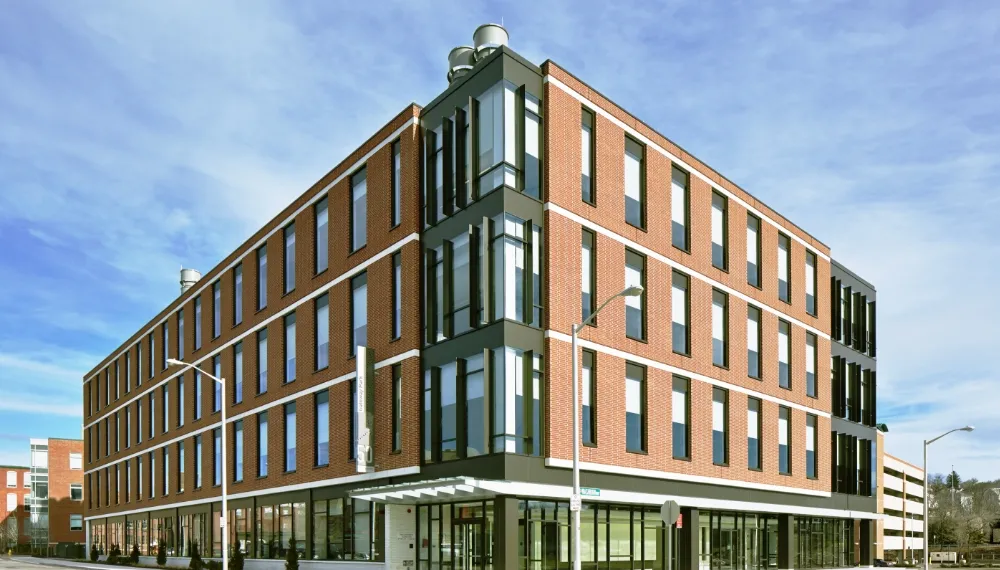
Thinking Through a Project in Western Massachusetts?
If you're weighing a development opportunity and want a grounded, experienced read on what it will actually take to move it forward, we'd welcome the conversation. No obligation — just a direct discussion about your project and whether we're the right fit.


